

Manor House in 60 Hectares Including Vineyards, Huge Business Potential
Base Information
Land Information
Description
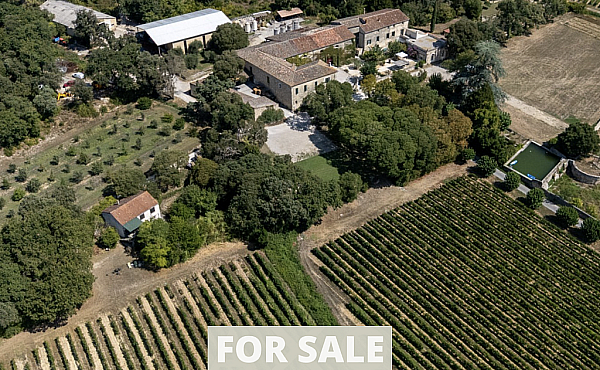
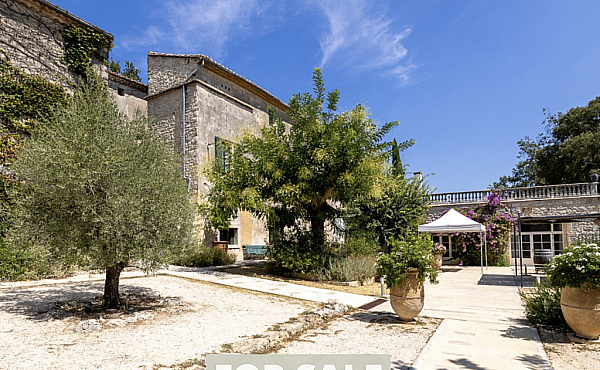
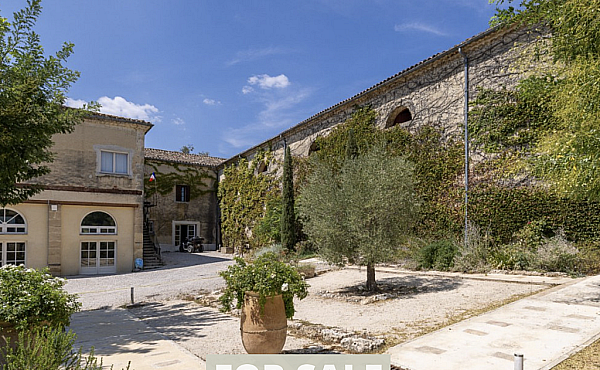
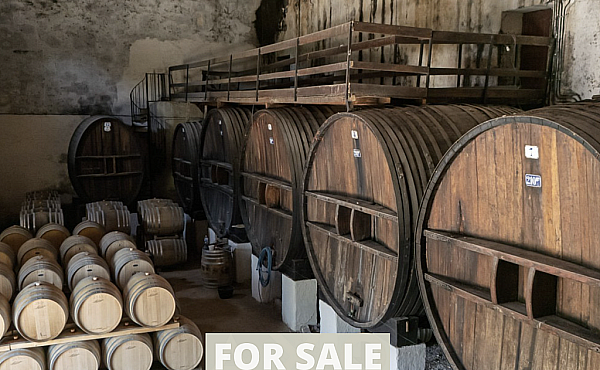
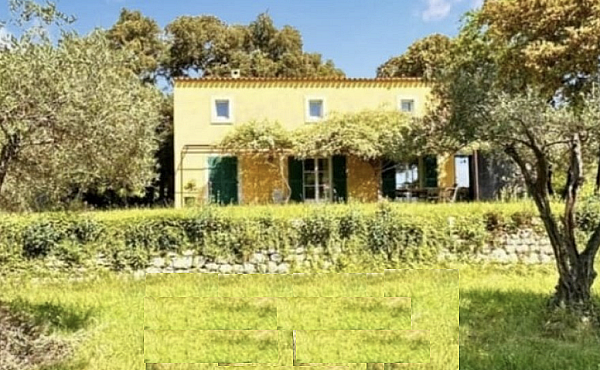
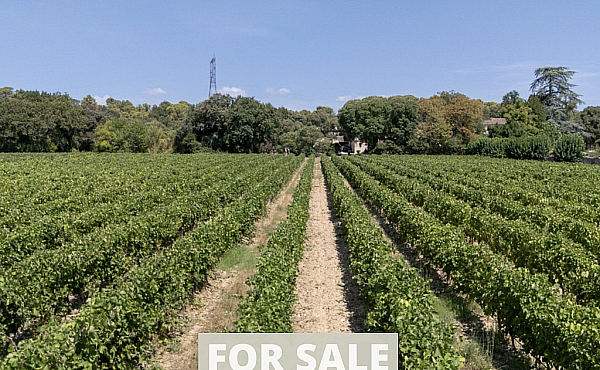
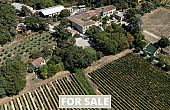
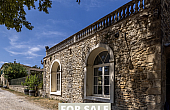
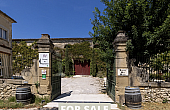
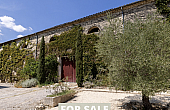
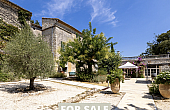
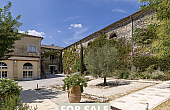
Located in the immediate vicinity of Sommières, in the heart of the Gard wine region, this estate of nearly 60 hectares represents a rare opportunity for a professional looking to acquire a land, agricultural, and real estate complex offering multiple development possibilities. Situated in a preserved environment between Nîmes, Montpellier, and the Mediterranean, the property brings together—on a single site—vineyards, farmland, olive trees, clementine trees, a truffle orchard, cereal crops, flour production, water resources, various buildings, and spaces for both residential use and hosting guests. It is a particularly attractive proposition for a winegrower, farmer, investor, wine tourism operator, event professional, or anyone pursuing a heritage and tourism-focused project.
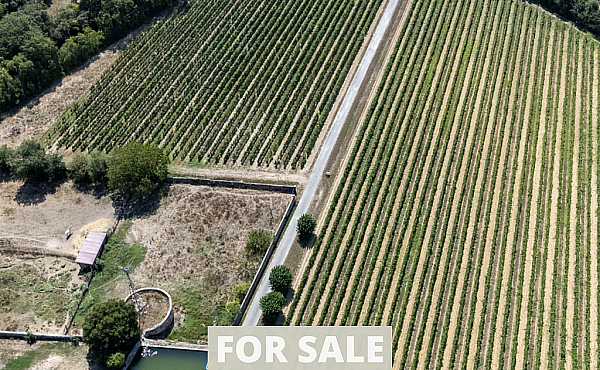
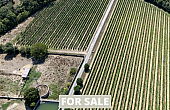
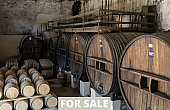
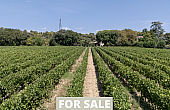
A LAND AND AGRICULTURAL ASSET WITH DIVERSE RESOURCES. The property benefits from a highly diverse agricultural environment. Alongside the vineyards, several other crops and production activities contribute to the estate's identity: vines, olive trees, clementine trees, a truffle orchard, cereal crops, flour production, and natural/agricultural areas. This diversity allows for a development strategy based on multiple products and—depending on the chosen project—offers the chance to enhance the value of the *terroir* and strengthen the estate's commercial identity. The availability of water and existing infrastructure is also a major asset for agricultural operations in this Mediterranean region, where water is a particularly valuable resource.
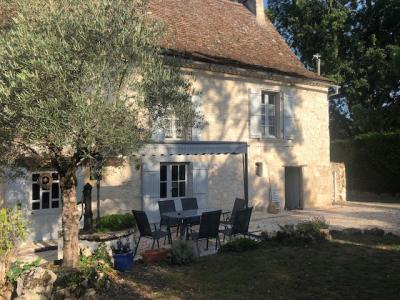
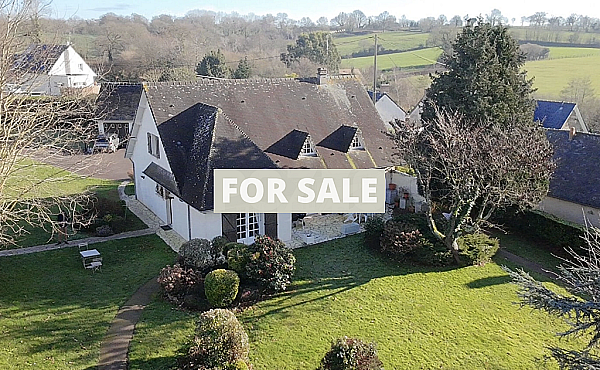
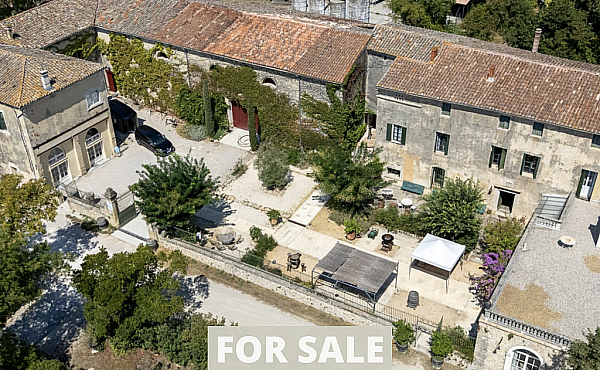
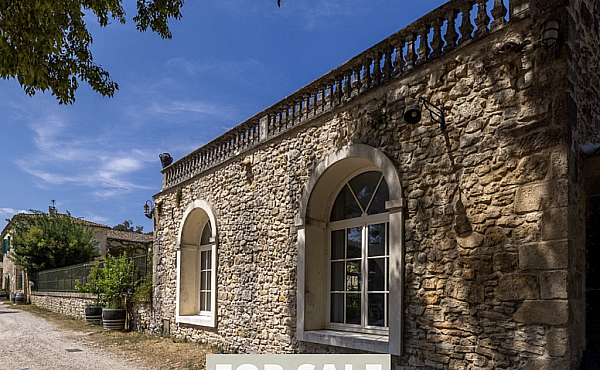
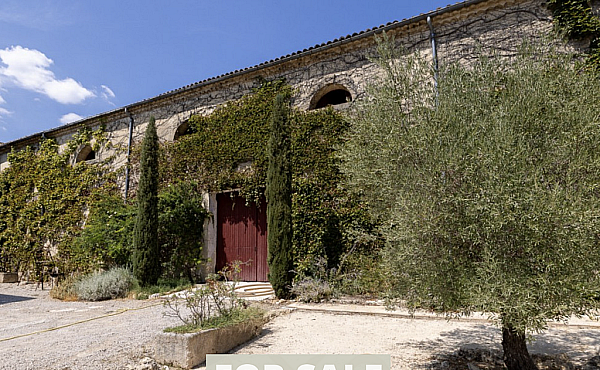
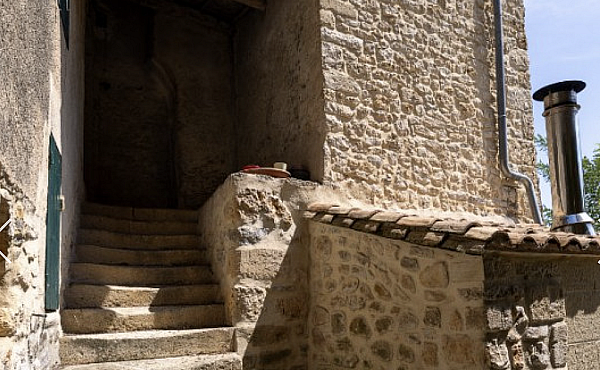
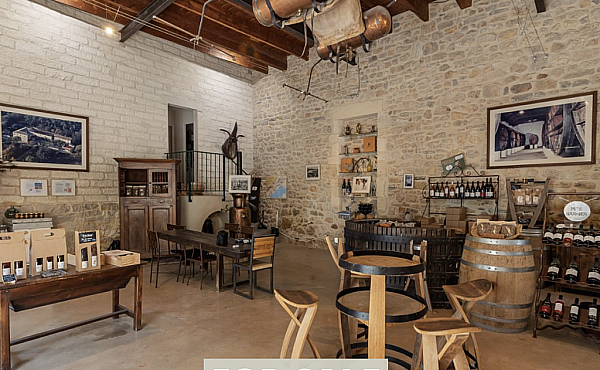
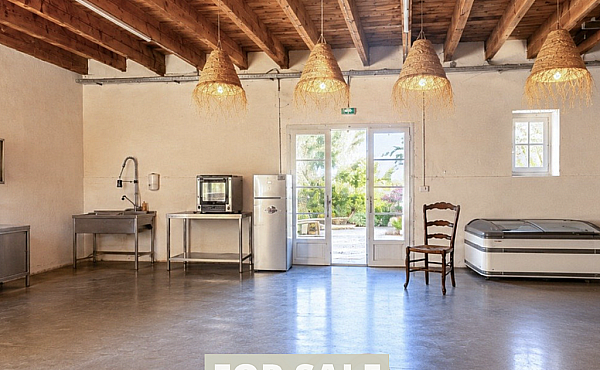
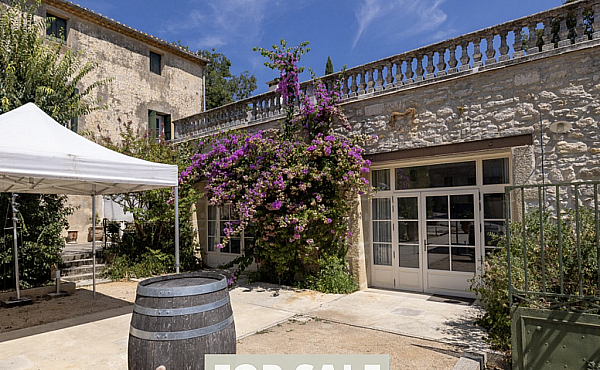
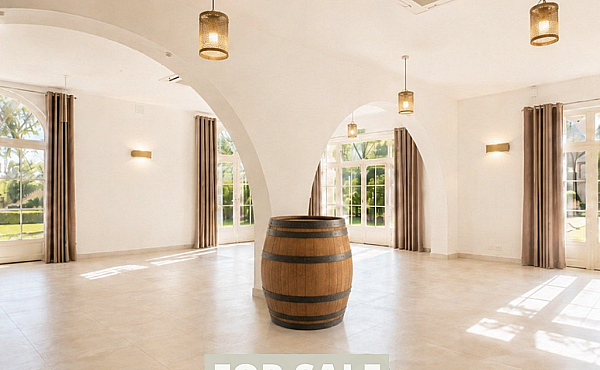
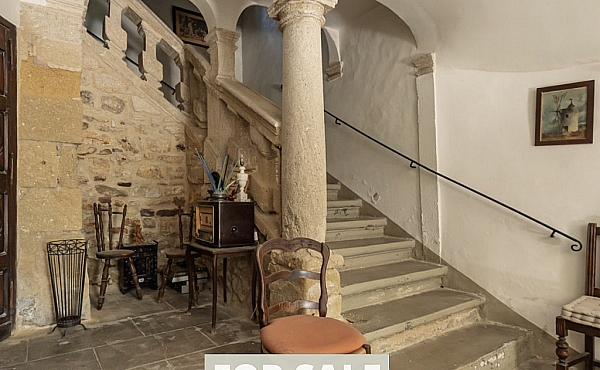
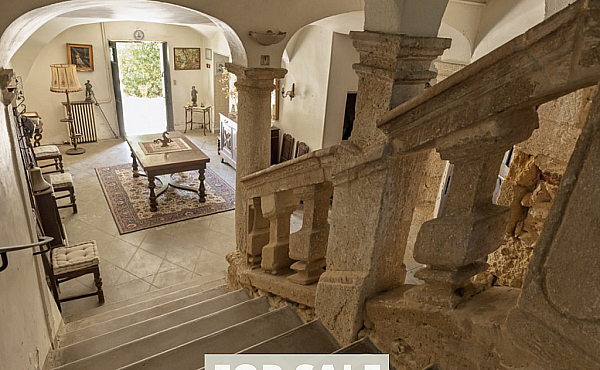
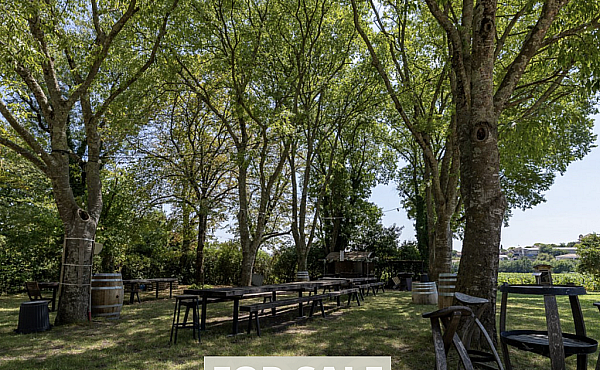
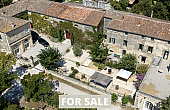
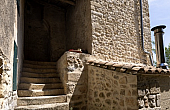
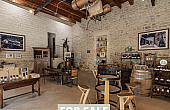
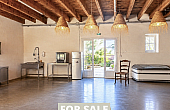
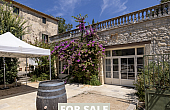
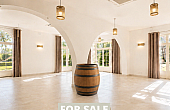
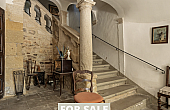
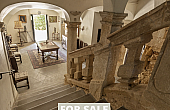
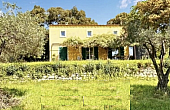
REAL ESTATE ASSETS WITH DEVELOPMENT POTENTIAL. With approximately 875 m² of built area, the estate features various living quarters, buildings, and spaces capable of supporting a range of projects. The current layout allows for the consideration—subject to necessary permits and studies—of various possibilities: continuing or expanding wine production; developing wine tourism or agritourism ventures; creating charming accommodation; establishing a venue for private or corporate events; launching a mixed-use project combining farming, accommodation, and tourism; and enhancing the heritage value of the various buildings and living spaces. The estate’s appeal lies precisely in this synergy between land, agriculture, residential use, and tourism potential.
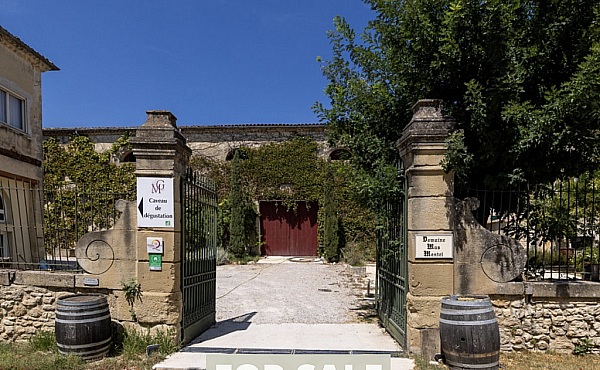
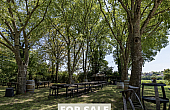
A TRUE WINE TOURISM DESTINATION TO BE ENVISIONED: The diversity of produce offers the opportunity to craft a genuine experience centered on the local terroir. Wine, olive oil, citrus fruits, truffles, cereals, and flour could all be integrated into a strategy to showcase the estate’s tourism, culinary, and commercial appeal, complementing the existing wine operations. Activities such as tastings, tours, crop discovery, gourmet experiences, accommodation, stays, or events could be developed around a cohesive concept, subject to the site's specific regulatory and administrative constraints. For an investor or specialized operator, the property offers significant potential for diversifying revenue streams and enhancing the value of the land.
A STRATEGIC LOCATION: The estate enjoys a prime location for agricultural, tourism, or event-based activities: Sommières: less than 10 min; Lunel train station: approx. 20 min; Nîmes: approx. 25 min; Nîmes TGV station: approx. 30 min; Montpellier: approx. 30 min; Montpellier Méditerranée Airport: approx. 35 min; A9 motorway: quick access. This proximity to major urban centers, transport infrastructure, and the Mediterranean coast is a key asset for developing activities that appeal to local, national, and international clientele alike.
AN ESTATE FOR BUILDING A VISION – More than just a wine estate, this property represents a rare combination of land, agricultural assets, and real estate, offering a professional the opportunity to elevate an existing project or launch a new venture. With 60 hectares, approximately 875 m² of built structures, a vineyard, diversified agricultural production, water resources, residences, and wine tourism potential, it is an exceptional property offering a wide range of value-creation opportunities. It is ideally suited for a buyer looking to build a long-term project and create a distinctive estate centered around the land, wine, agriculture, and the Mediterranean lifestyle.
ASPERES - WINE ESTATE - PUBLIC-ACCESS FACILITY (ERP) - POTENTIAL FOR LUXURY GUEST ROOMS - WEDDINGS - EVENTS - 60 HECTARES - 13 ROOMS - 875 m² .
For further information or to arrange a viewing, please contact us today.
The department of Gard in Languedoc-Roussillon region has a distinctly ’Provencal’ feel to it, thanks to its sharing a border with both Provence and the famous ’Camargue’ march region, famed for flamingoes, wild horses and bulls.
That said, the Gard does have distinctly Languedoc-Roussillon region qualities such as the high number of historical sites (Languedoc’s history is far more interesting than Provence’s), the Bull fights at Nimes, and its dramatic landscapes.
In fact, it’s in the Gard that the move away from the Mediterranean into a more continental, mountainous landscape begins. The weather cools the higher you climb, and the coarse river-stone villages so typical of Languedoc’s Mediterranean departments (Herault, Aude and Pyrenees-Orientales) give way to tidy villages of stone houses (limestone and granite).
The vines peter out, and the undulating hills of Herault become jagged and rocky in the Gard, sliced through by Languedoc’s dramatic river gorges. It all starts to feel less hot and exotic and a little more like you’re in the centre of France. The food improves too, with the slightly mundane Mediterranean fare being replaced with richer food more typical of the rest of the country.
The Gard department of Languedoc was important in Roman times, and Nimes’ Maison Carree roman temple and Les Arenes roman amphitheatre are two of the best examples of roman architecture left in the world - and the Pont du Gard the largest remaining Roman aqueduct. Aigues-Mortes was built in the 13th Century by Louis IX as a new port for France, until rising silt rendered it an inland ghost-town.
Today, the Gard is attempting to modernise, like the rest of Languedoc, lead by its capital Nimes. Once a rather ugly city, it has commissioned some of the world’s leading architects (such as Norman Foster) to build extravagant modern buildings.
We at Cle France specialise in Property for sale in France through our network of Agents and French Registered High Street Estate Agents. We have sold thousands of houses for sale in France over the years and have helped many find and buy their dream home in France.
We can also help you with everything to do with buying a house in France including getting a mortgage, organising currency exchange, renovation advice, property surveys, planning permission, French translation, opening a bank account and everything to do with French property sales.
All our prices are quoted as FAI (agency fees included) unless otherwise stated and ’notaire’ fees are around 7% (on average) but feel free to ask us for an exact amount on any particular French property for sale you are interested in.
Indeed please feel free to use the ’MAKE AN ENQUIRY’ tab above to ask us any questions you have about buying a property in France. Our UK based enquiry office and staff will guide you through the entire buying process step by step from your first contact right up to taking ownership and beyond, all free of charge.
So when you buy through Clé France you can be confident that you are paying no more than the standard commission rates you would pay anyway, but you have the added benefit of a bi-lingual support team.
For everything you need to know about French property visit www.clefrance.co.uk
A value of 1 in the below graphs = No Rating for this property
AXL-36151
Property documentAmenities
Facts
Related properties